


RIFM’s Yax Thakkar, PhD, to Lead Critical Discussion on High-Precision Genotoxicity Testing at 2026 ToxForum
2.2.26
As the global regulatory landscape shifts toward more precise, human-relevant safety data, the Research Institute for Fragrance Materials (RIFM) is stepping into the spotlight at the 2026 ToxForum Winter Meeting. On Thursday, February 5, from 10:45 AM to 12:15 PM, RIFM Principal Scientist Yax Thakkar, PhD, will chair a session dedicated to the future of fragrance safety: “Redefining Genotoxicity: Integrating NAMs for Mechanistic, Metabolically Competent, and Animal-Free Safety Assessment.”
Dr. Thakkar, who leads RIFM’s genotoxicity research and safety assessment programs, and a panel of experts will guide the audience through a tiered testing strategy designed to solve one of toxicology’s most persistent challenges: the “misleading positive.”
A Tiered Strategy for Greater Precision
Traditional screening methods often lack the metabolic complexity of a living system, leading to false positive signals for biologically irrelevant hazards. Dr. Thakkar’s session brings together leading experts to demonstrate how New Approach Methodologies (NAMs) provide a clearer, more accurate picture:
Mechanistic Clarity: Vivek Patel (Institute for In Vitro Sciences) will detail how advanced reporter systems distinguish true DNA damage from secondary cellular stress.
Dermal Relevance: Hans Raabe (IIVS) will present on 3D Reconstructed Skin Models, explaining how the RSMN assay mimics real-world dermal exposure and accounts for the skin’s natural metabolic defenses.
Metabolic Competence: Dr. Tetyana Cheairs (New York Medical College) will showcase Chicken Egg-Based Assays (CEGA & HET-MN), which utilize a functioning liver model to assess how substances are bioactivated, a critical step in predicting human safety.
Directing the Future of Safety
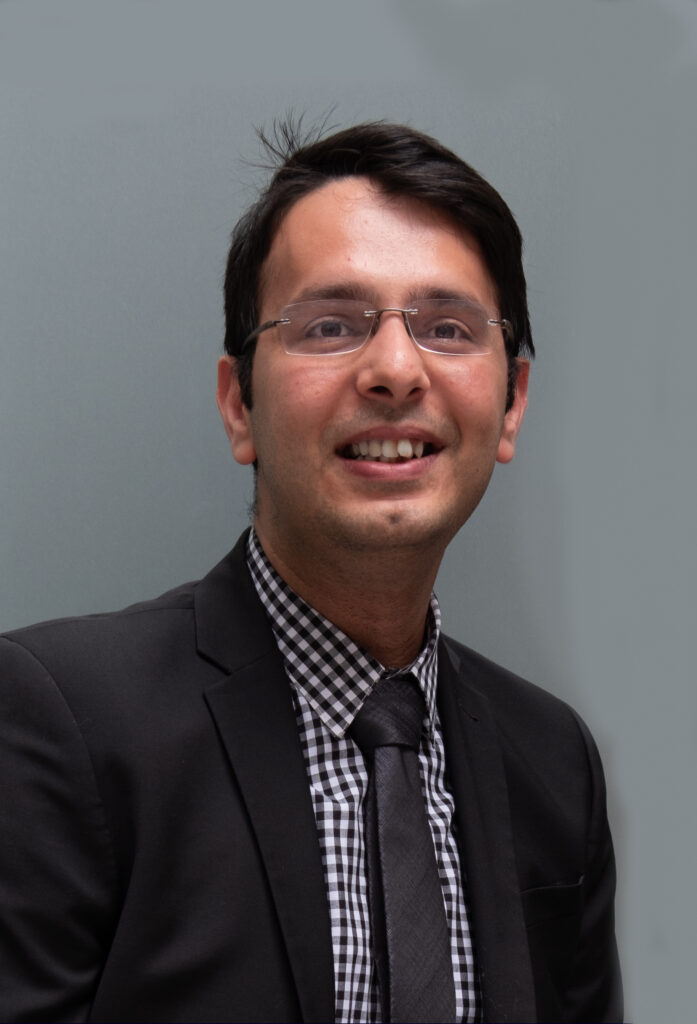
The session culminates in Dr. Thakkar presenting real-world case studies that demonstrate how these NAMs can be woven into a unified, tiered strategy aligned with global regulatory expectations.
“We aren’t just looking for alternatives; we are building a more predictive and biologically relevant science,” Dr. Thakkar explained. “By integrating these advanced tools, we can move past the limitations of traditional assays and provide a definitive ‘Weight-of-Evidence’ that ensures consumer safety while meeting the most stringent global standards for animal-free assessment.”
The session will conclude with a panel discussion featuring all speakers, fostering a dialogue between industry, academia, and regulators on harmonizing these non-animal strategies across global frameworks.